Resolution Risk, the One That Is Not in the Price
Being right about the world and wrong about the contract is a real and recurring outcome. Where it comes from and which markets carry most of it.
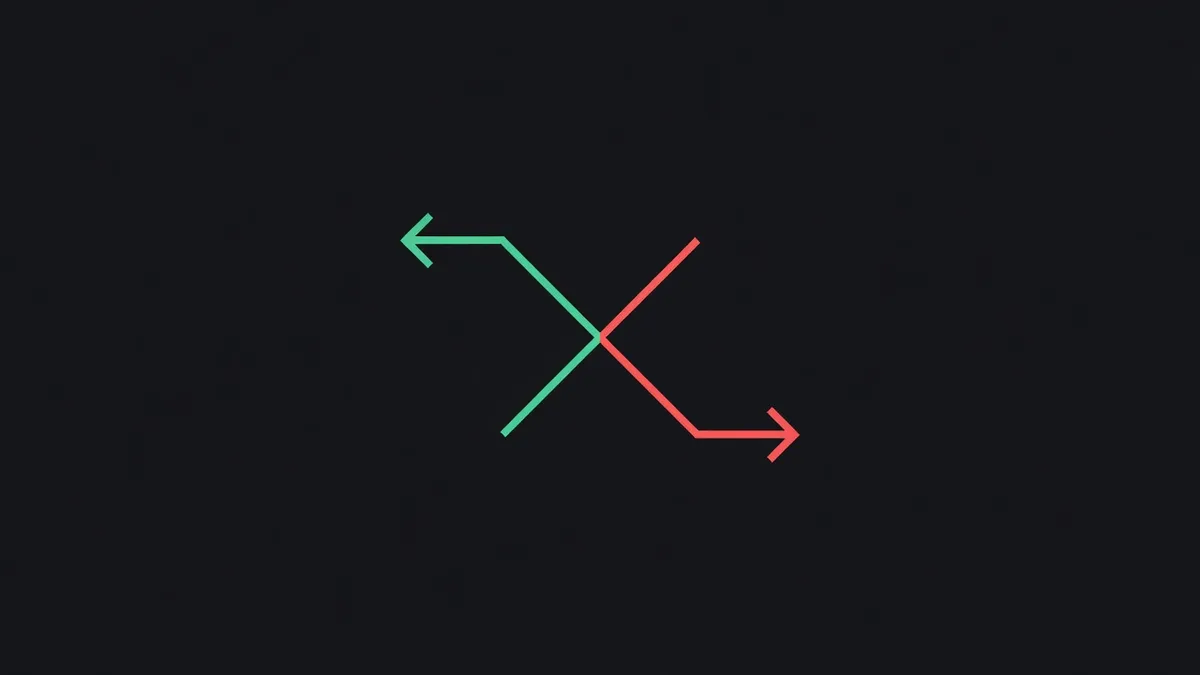
You can be completely right about what happens and still lose, because the contract asked a slightly different question than you thought it did. This is resolution risk, and it is rarely reflected in the price.
Where it comes from
Wording ambiguity. Words like "officially", "announced", "confirmed" and "credible" carry decisive weight and have no agreed definition. Disputes.
Source specificity. The contract names one publisher and one series. If you were thinking of a different measure of the same concept, you were forecasting something else. Inflation print markets.
Vintage. First print versus revised. The named vintage settles it and later corrections change nothing. Where settlement numbers come from.
Timing. An event that occurs just outside a window, or a source that publishes late.
Ties at the threshold. Strict versus inclusive comparison. Rare per market, common across many.
Non-publication. Suspensions, cancellations and discontinued series. The fallback clause governs, and voiding means your capital was locked for nothing.
Mechanism. A filed rule and a challenge-based oracle usually agree. On ambiguous questions they can differ, and ambiguous questions are where the interesting markets are. How Polymarket resolves.
Why the price does not reflect it
Because most participants read the title. A market at 96 on a woolly question looks like it offers four cents of upside, and the wording risk is invisible until it is not.
This makes extreme prices on vaguely worded markets systematically worse deals than they appear — the opposite of the usual advice to prefer high-probability positions.

Which markets carry the most
Highest. Company and technology events, anything requiring characterisation of intent, anything with an undefined qualifier. Company and technology events.
Moderate. Political outcomes with certification requirements and edge cases around withdrawal or replacement. Election markets.
Lower. Scheduled economic releases with named series and timestamps. Still non-zero, mainly around ties and revisions.
Lowest. Weather at a named station, and sporting outcomes. Weather and climate markets.
Managing it
Read the criteria, not the title. The first and most effective step, and it takes a minute.
Downweight extreme prices on vague questions. The last few cents are where this risk concentrates.
Prefer document-settled contracts over verb-settled ones. A filing has a date; a launch has an argument.
Exit if the criteria turn out to be ambiguous. Take the exit spread and be done. Early exit versus holding.
The cross-venue version
This is the risk that makes a two-leg position dangerous. If the two contracts can resolve differently, both legs can lose, and the loss is far larger than the few cents the pair was ever going to make.
That asymmetry — small upside, whole-position downside — is why comparability must be graded rather than assumed, and why a large headline gap on a poorly matched pair is not an opportunity but a warning. Resolution differences and equivalence grades.
Next
Educational content only. Nothing here is financial advice, a solicitation, or an offer to trade. Prediction markets can move against you and a position can lose its entire value. Where this guide describes a difference between venues it describes a theoretical cross-market edge in observed prices, which is not a profit: fees, spreads, capital lockup, transfer time and differing settlement rules all come out of it first.
Keep reading
 Risk and Costs · 3 min readThe Limits of Any Measured EdgeA measured price difference is a measurement. The distance between that and a return is made of costs, capacity, decay and the chance the measurement is wrong.
 Risk and Costs · 3 min readCounterparty and Platform RiskCustodial and on-chain venues fail in different ways. A plain comparison of what can go wrong with the place holding your money, rather than with your forecast.
 Risk and Costs · 3 min readPosition Sizing When You Might Be WrongSizing determines survival more than selection does. The arithmetic of ruin, why fractional approaches exist, and why the book is the real constraint.
 Kalshi · 3 min readWorking With Kalshi's Public Market DataWhat the public endpoints expose, what they do not, and how to build something on top of them without hammering the service or fooling yourself.