Who Is on the Other Side of Your Trade
Somebody took the opposite view, or was paid to be indifferent. Knowing which one you are dealing with changes how you read a price and a spread.
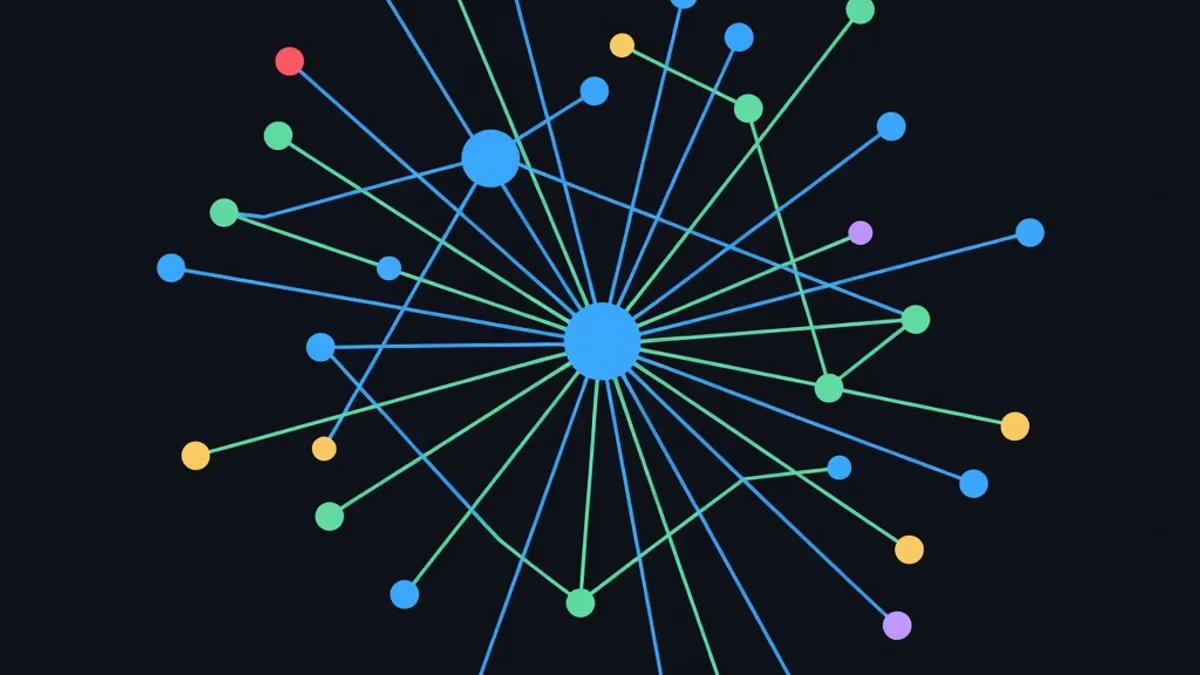
Every time you buy a contract, somebody sold it to you. It is worth knowing who that tends to be, because the answer changes how much information you should read into a price.
Broadly there are four kinds of counterparty, and they behave differently.
The person with the opposite view
The textbook case. They read the same question, reached a different estimate, and are happy to take your side of it. This is the counterparty the whole mechanism is designed around, and it is the one that makes prices informative: two people who disagree meeting at a number that neither of them loves.
When volume is being driven by genuine disagreement, you tend to see it in the pattern — sustained two-way flow, a price that moves and then holds, open interest rising rather than churning.
The market maker
Somebody quoting both sides continuously, trying to capture the spread and stay roughly flat. They do not have a view about your question. They have a view about the spread, their inventory and how quickly they can lay off risk.
This is why a market maker's quote is not evidence about the outcome. If the only thing supporting a 62 cent price is a maker quoting 61/63 with small size, the market is not saying "62% likely" with any conviction. It is saying "nobody has taken a strong enough view to move me". What market makers do covers the role properly.
Makers also disappear. When uncertainty spikes, they widen or pull quotes, which is precisely when you most want them. A spread that is 1 cent on a quiet Tuesday and 9 cents an hour before a decision is the same participant managing the same risk differently.
The hedger
Someone with an exposure elsewhere who wants to offset it. A business with revenue sensitive to an interest rate decision, a portfolio with an outcome it would rather not be exposed to, a participant in one venue offsetting in another.
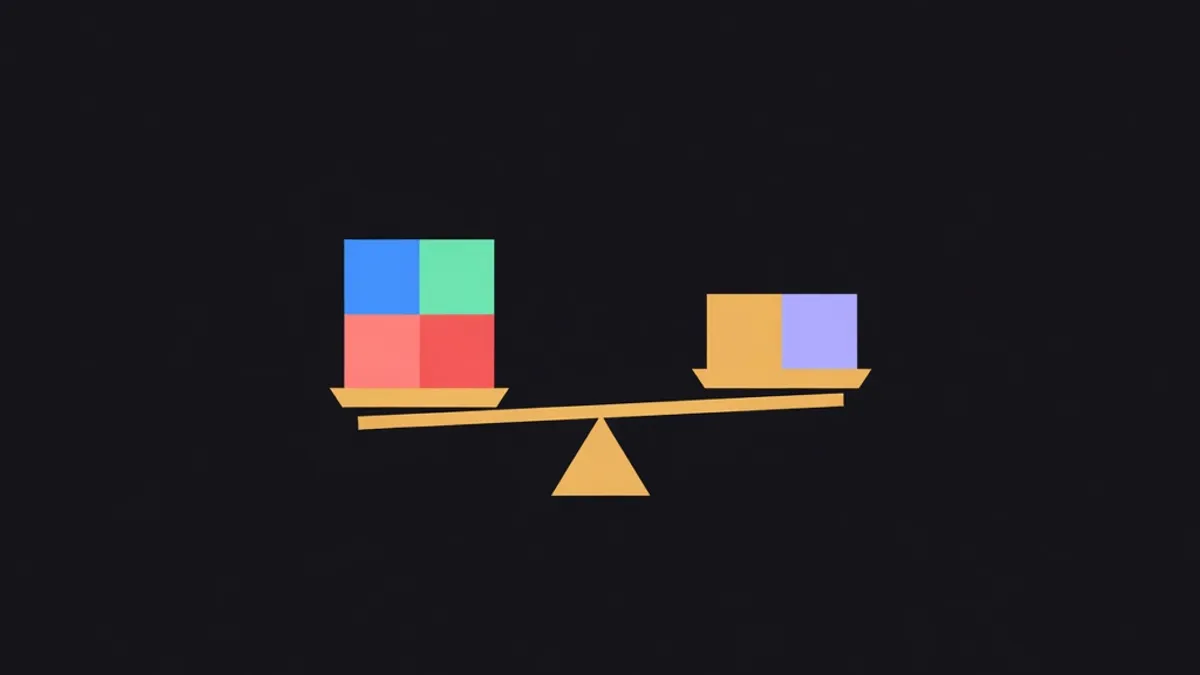
Hedgers are price-insensitive in a specific way: they will pay a bit over fair value because the point is the hedge, not the expected value. Their presence can hold a price slightly away from the consensus estimate, which is one honest explanation for gaps between venues that refuse to close. Persistent gaps and why they persist is about exactly this.
The noise
People trading on a headline, on a hunch, for the entertainment, or because a market was at the top of a list. They are not stupid; they are simply not trading on an estimate. In aggregate they provide liquidity and slightly worse prices, which is what everybody else is there to collect.
What this means for reading a price
Ask what is holding the price up. If the answer is "one maker's quote", the price carries little information. If it is "consistent two-way volume with rising open interest", it carries a lot.
Distinguish a moving price from a moving quote. A price can move because trades happened, or because a maker adjusted where they are willing to stand. The first is information; the second might just be inventory.
Expect the spread to widen when it matters. This is not the venue being unfair. It is the compensation for providing liquidity into uncertainty, and it is the honest price of immediacy at that moment.
And on the other side of the venue
One more participant deserves mention: the venue itself, which takes a fee or a spread for running the place. That is a cost that applies to you regardless of who you traded against, and it comes out of any edge you think you have found before anything else does. How fees eat a theoretical edge is the arithmetic.
Practical use
When this site flags a market as having moved significantly, the first question worth asking is which of these four was doing the moving. A step change on heavy volume with open interest rising is a different event from a two-cent drift on twelve contracts, even though both appear on a movers list as a move.
The trades board shows the largest individual prints on both venues, sized against each market's own normal trade, which is the closest a public feed gets to answering "was that somebody who knows something, or somebody clicking".
Next
Resolution: how a market decides who was right covers the step that turns all of this into money.
Educational content only. Nothing here is financial advice, a solicitation, or an offer to trade. Prediction markets can move against you and a position can lose its entire value. Where this guide describes a difference between venues it describes a theoretical cross-market edge in observed prices, which is not a profit: fees, spreads, capital lockup, transfer time and differing settlement rules all come out of it first.
Keep reading
 Prediction Market Basics · 4 min readHow to Read a Prediction Market PagePrice, volume, open interest, the book and the history. What each number on a market page is telling you, and which ones deserve your attention first.
 Prediction Market Basics · 3 min readResolution: How a Market Decides Who Was RightResolution is where more money is lost than in forecasting. What a resolution source is, how disputes work, and the rule wording that catches people out.
 Prediction Market Basics · 3 min readPrediction Markets vs Sportsbooks: Odds, Vig and PriceA sportsbook sets a price and takes the other side. An exchange matches you against other participants. That structural difference shows up in every number on screen.
 Polymarket · 3 min readWhat Polymarket Is, and How On-Chain Changes ItPolymarket settles event contracts on a blockchain with stablecoin collateral. Here is what that architecture changes about pricing, resolution and risk.