Proud Globe Journal
Field notes for people building in crypto
Practical guides on marketing, token launches, community, stablecoin payments, security and on-chain culture. Written for founders, marketers and curious holders.

How to Write a Crypto Announcement Thread on X
A structure for crypto announcement threads on X that people read to the end, with hooks, visuals, proof, official links and the mistakes that invite scammers.
Airdrop Design That Rewards Real Users
How to design a token airdrop that rewards genuine users instead of farmers, covering eligibility, sybil filtering, claim flows and anti-scam measures.

Turning Lurkers Into Contributors
Why most crypto community members stay silent, and practical ways to invite lurkers into small contributions that grow into regular participation over time.

Crypto Payment Links and QR Codes Explained
How crypto payment links and QR codes work, including the EIP-681 format for token payments, wallet support, testing tips and how to avoid common scanning errors.
Multisig Wallets for Crypto Teams
How multisig wallets protect crypto team treasuries, how to choose signers and thresholds, common setup mistakes, and the routines that keep a multisig safe over time.
Profile Pictures as Identity in Crypto
How profile pictures became a core part of crypto identity, from NFT avatars to community traits, and what they signal about belonging, status and trust online.

ERC-20 Decimals and Units: Avoiding Costly Bugs
How ERC-20 token decimals work, why the same token can use different decimals on different chains, and the coding habits that prevent unit conversion bugs.

Global Freelancing Paid in Stablecoins
A guide for freelancers who work with international crypto clients and get paid in stablecoins, covering rates, contracts, wallets, conversion, records and safety.

Referral Programs for Crypto Products That People Use
How to design a crypto referral program with rewards people value, rules that stop abuse, fast stablecoin payouts and tracking that works without accounts.
Choosing a Chain for Your Token Launch
How to choose a blockchain for a token launch by comparing fees, users, liquidity, tooling, bridges and security, with questions that narrow the choice quickly.

Running Weekly Community Calls People Attend
How to run weekly crypto community calls on Discord, X Spaces or Telegram that people attend, with formats, agendas, scheduling across time zones and follow-up.

Paying Freelancers in Stablecoins
How teams can pay freelancers and contractors in stablecoins safely, from collecting wallet details and test transfers to batching payments and keeping records.

Address Poisoning Attacks and How to Avoid Them
How address poisoning plants lookalike addresses in your wallet history, why copying from past activity is risky, and the checks that keep funds safe.

ENS Names and On-chain Identity
How ENS names work as readable on-chain identities, why people and projects use them, how to set one up safely, and the limits of names as proof of trust.
Wallet Connection UX for dApps
How to design wallet connection flows that users trust, covering when to ask, what to explain, network switching, error states, mobile wallets and disconnecting.

Planning Around Global Crypto Conferences
How crypto teams can plan a year of conference travel and side events across regions, including budgeting, choosing events, preparing side events and following up.

Measuring Crypto Marketing When Wallets Replace Email Lists
How to measure crypto marketing when users arrive as wallet addresses, using tagged links, on-chain events and simple attribution that respects privacy.
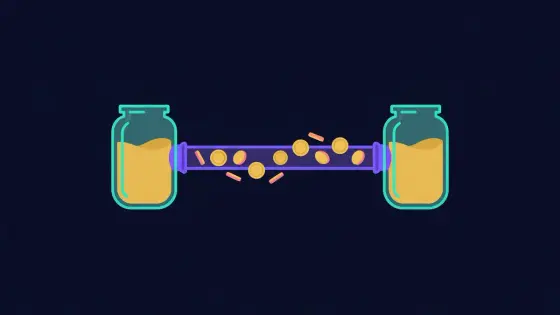
How Liquidity Pools Work at a Token Launch
A plain explanation of how liquidity pools set prices at launch, how much depth a small token needs, what price impact means, and how teams lock pool tokens.

Community Roles and Ambassador Programs That Work
How to design crypto community roles and ambassador programs with clear responsibilities, fair rewards, simple tracking and protections against low-effort farming.

How to Invoice Clients in Crypto
How freelancers and agencies can invoice clients in stablecoins, including what to put on the invoice, choosing networks, confirming payment and keeping clean records.

Spotting Phishing Sites in Crypto
How to recognise crypto phishing sites, from lookalike domains and fake search ads to cloned interfaces, plus simple habits that keep you on the real site.

Crypto Memes as Culture: Why They Matter
How memes shape crypto culture, from inside jokes and shared language to community identity and marketing, and how projects can take part without looking forced.

Public RPC Endpoints: Limits and Fallbacks
What developers should know about public blockchain RPC endpoints, including rate limits, block range caps, archive data gaps, reliability and how to design fallbacks.

Running a Global Community in Many Languages
How to run a crypto community across languages, from opening language channels and recruiting regional moderators to translating updates accurately.