Proud Globe Journal
Field notes for people building in crypto
Practical guides on marketing, token launches, community, stablecoin payments, security and on-chain culture. Written for founders, marketers and curious holders.
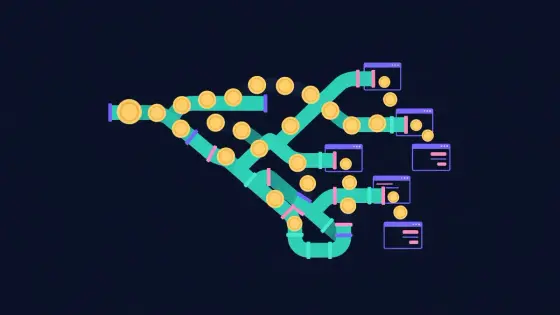
Crypto Ad Networks and Where Your Budget Goes
How crypto ad networks work, which ad formats they sell, how to judge traffic quality, avoid fraud and measure results, and when direct placements beat networks.
Market Makers: Questions to Ask Before Signing
What crypto market makers do for new tokens, common deal structures such as token loans and options, and the questions teams should ask before signing any agreement.

Rebuilding Community Trust After a Mistake
How crypto teams can rebuild community trust after a mistake, from the first acknowledgement and full explanation to making things right and showing lasting change.
Crypto Payroll Basics for Small Teams
How small crypto teams can run payroll in stablecoins, covering payment schedules, wallet verification, approvals, records, tax considerations and employee experience.

Securing a Crypto Project's Domain and DNS
How crypto projects can protect their domain and DNS from hijacking, including registrar security, registry locks, DNS monitoring, TLS settings and incident response.

Internet Scarcity: Why Limited Things Feel Valuable
Why limited digital items feel valuable in a world of infinite copies, the psychology of scarcity, examples from domains to pixels, and how to use scarcity honestly.
Account Abstraction Explained for Builders
What account abstraction is, how smart accounts differ from regular wallets, which features they enable such as sponsored gas, and the trade-offs.

Map Your Users: Why Geography Matters for Web3 Growth
Why understanding where users are helps Web3 projects grow, how to gather location insights while respecting privacy, and how to act on regional patterns.

SEO for Crypto Websites: A Practical Starting Point
A practical SEO plan for crypto websites, covering technical basics, keyword research, useful content, internal links, trust signals and realistic timelines.
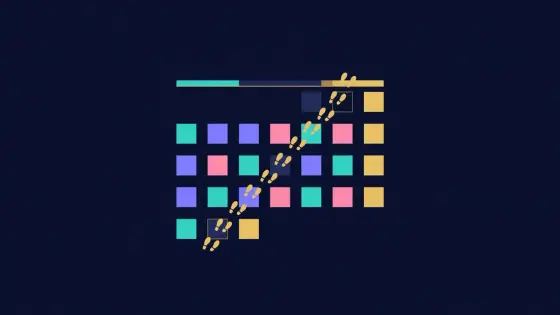
The 30 Days After a Token Launch
A week by week plan for the first 30 days after a token launch, covering communication, product delivery, liquidity monitoring, listings and community care.
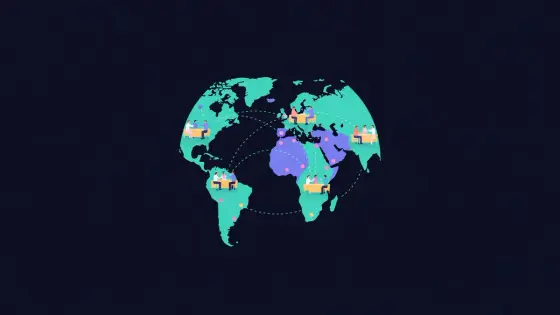
Community-Led Events and Meetups
How crypto projects can support community-led meetups and events around the world, with organiser toolkits, small budgets, safety guidance and ways to share results.
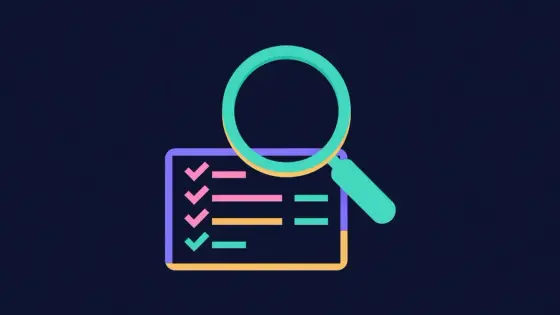
How to Verify a Crypto Payment on a Block Explorer
A step by step guide to verifying a crypto payment on a block explorer, including transaction status, token contract, recipient, amount, network and confirmations.

Social Engineering in Crypto Support Scams
How fake crypto support agents manipulate users through DMs, forms, calls and screen sharing, the psychological tricks involved and the rules that keep users safe.
Pseudonymous Culture in Crypto
Why many crypto builders work under pseudonyms, how trust forms without real names, the benefits and risks, and how pseudonymous teams earn credibility.
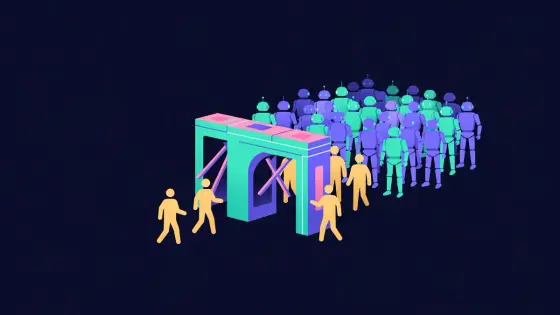
Rate Limiting and Abuse Prevention for Crypto APIs
How to protect crypto app APIs from abuse with rate limits, input validation, bot defences, cost controls and privacy-friendly logging, without blocking real users.
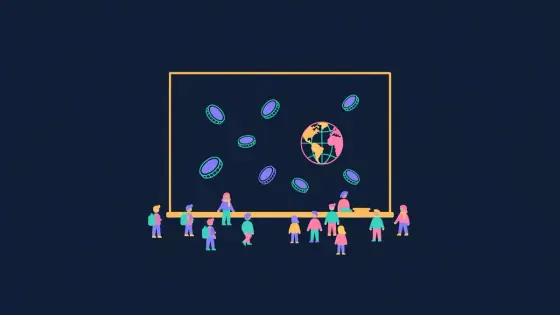
Crypto Education Across Cultures
How to design crypto education for learners in different cultures, including language, examples, trust, learning formats, local context and safety messaging.
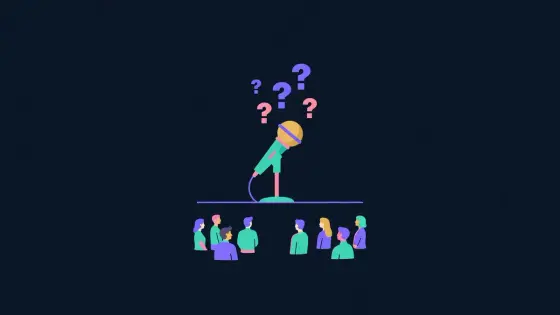
How to Run a Crypto AMA People Remember
How to plan and host a crypto AMA on X Spaces, Discord or Telegram, from choosing hosts and collecting questions to answering hard questions and publishing a recap.
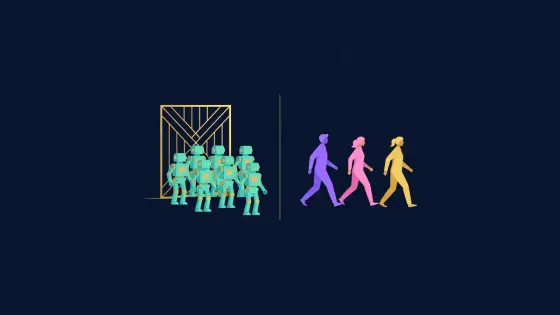
Anti-Bot Measures for Token Launches
How bots snipe token launches, which anti-bot measures teams use, the trade-offs for real users, and how to explain protections without inviting workarounds.

Preventing Moderator Burnout in Crypto Communities
Why crypto community moderators burn out, the warning signs to watch for, and practical ways to share workload, set boundaries, support mental health and reward the work.
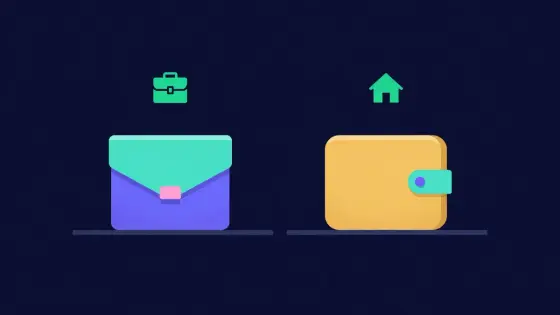
Keeping Business and Personal Crypto Wallets Separate
Why businesses and freelancers should separate business and personal crypto wallets, how to structure wallets by purpose, and the security and accounting benefits.
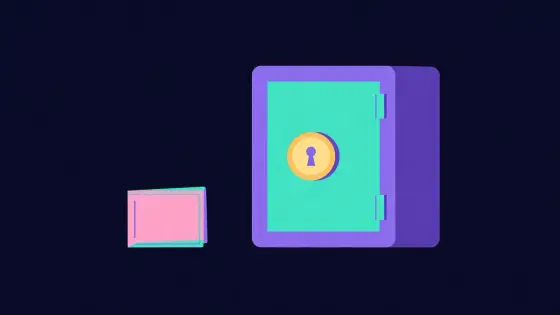
Burner Wallets and When to Use Them
What burner wallets are, when a separate low-value wallet protects your main funds, how to set one up and move funds safely, and the limits of the approach.

Flags, Badges and Belonging Online
Why people display flags, badges and symbols in their online identities, how crypto communities use them to build belonging, and how to keep symbols welcoming.
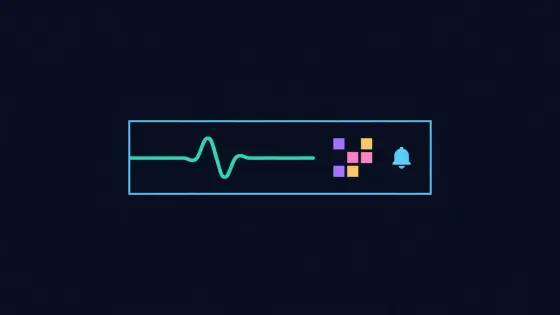
Monitoring a dApp in Production
What to monitor once a dApp is live, from contract events and RPC health to frontend errors and key balances, with alerts teams actually act on.
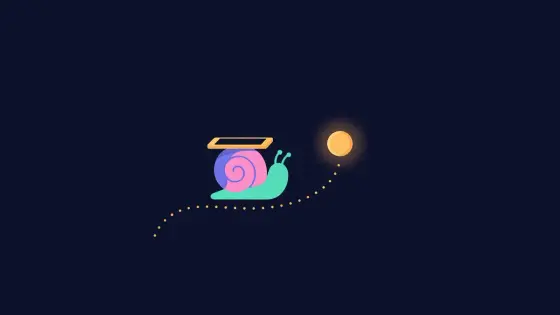
Building Crypto Apps for Users With Slow Internet
How to design crypto apps that work on slow or unreliable connections, with lightweight pages, resilient transaction flows and clear status messages.